Pilot Training
Location
Guidance
Capt. Tomar Awdhesh
Pilots in India take two DGCA medicals in a fixed order: the Class 2 first, with a DGCA-empanelled civil examiner, for the Student and Private Pilot Licences, and then the Class 1 at an IAF boarding centre or DGCA-approved aeromedical evaluation centre for the Commercial Pilot Licence and airline flying. Both are booked through eGCA and assessed under CAR Section 7 Series C Part I; Class 1 is valid one year under age 60 in multi-crew operations. Golden Epaulettes Aviation sequences both medicals with your ground classes and documents.
We will contact you shortly
Thank you for applying. Our aviation expert will reach out to you on WhatsApp with the next steps of your pilot journey.
Go To Home PageAccess the industry's most rigorous DGCA-simulated testing environment.
Cadets Active
196+
Difficulty
Medium
Cadets Active
244+
Difficulty
Medium
Cadets Active
69+
Difficulty
Medium
Cadets Active
136+
Difficulty
Medium
Every pilot in India passes through two DGCA medicals in a fixed order: the Class 2 medical first, done with a DGCA-empanelled civil examiner and sufficient for a Student Pilot Licence and Private Pilot Licence, and then the Class 1 medical, done at an IAF boarding centre or a DGCA-approved aeromedical evaluation centre and mandatory for a Commercial Pilot Licence and airline flying. Both are booked through the eGCA portal and both are assessed against CAR Section 7, Series C, Part I.
This combined guide from Golden Epaulettes Aviation (GEA), Dwarka, New Delhi, compares the two medicals side by side, shows the eGCA steps, gives a cost indication where one can be verified, and answers the questions students ask us most. For the full detail on each examination see our separate Class 2 medical and Class 1 medical pages.
| Aspect | Class 2 medical | Class 1 medical |
|---|---|---|
| Licences it supports | Student Pilot Licence, Private Pilot Licence; prerequisite for Class 1 | Commercial Pilot Licence, ATPL, airline and charter employment, instructor duties |
| Who examines | DGCA-empanelled Class 2 examiner (private clinic or hospital) | IAF boarding centre or DGCA-approved aeromedical evaluation centre (initial); IAF centres or empanelled Class 1 examiners (renewal) |
| Typical depth | History, physical, vision, hearing, blood pressure, ECG, basic blood and urine tests | Everything in Class 2 plus audiometry, chest X-ray, fuller cardiovascular, laboratory, neurological and psychological assessment, age-specific tests |
| Time taken | Usually half a day at the examiner's clinic | One full day at a civil centre if all parameters are normal; longer if specialist opinions are needed |
| Booking | eGCA ID, then appointment with the examiner | eGCA application against a valid Class 2; centre slot |
| Validity (fitness) | Age-based under CAR Section 7 Series C Part I; longer below 40 than above | 12 months under 60 in multi-crew operations; 6 months above 40 in single-crew or instructional flying |
| Cost indication (Oct 2026) | Examiner's own fee; not published by DGCA, ask at booking | About ₹12,000–22,000 package at a civil centre (indicative); IAF centres differ |
Examiner and centre details are from DGCA's published lists (Class 2 examiners, Class 1 centres). Fees are indicative and change.
Do the Class 2 as soon as you decide on a pilot career, ideally in Class 12, because it is the cheapest way to discover a disqualifying condition before spending on training. Do the Class 1 initial before you pay a flying school or accept a cadet-programme offer; Air India and IndiGo cadet routes require it before flying begins. Our students usually complete Class 1 during the first weeks of DGCA CPL ground classes.
Fitness validity comes from CAR Section 7, Series C, Part I, Issue II, now at Revision 7 dated 1 October 2025 (DGCA Civil Aviation Requirements). For Class 1 the DGCA guidance note is explicit: one year under age 60 in multi-crew commercial air transport, six months above 40 in single-crew commercial or instructional flying, with renewal allowed from 45 days before expiry. Class 2 validity is age-based under the same CAR and is longer for younger pilots; check the current revision for your age band.
A separate DGCA public notice dated 15 July 2025, effective 1 September 2025, changed how often DGCA itself issues the Medical Assessment document. As reported, Class 1 holders up to 40 need a DGCA-issued assessment every three years (every alternate year from 41 to 50, annually from 51 to 65), and Class 2 holders up to 40 every four years (every alternate year thereafter), with a fit CA-35 from an empanelled or IAF examiner accepted for licence privileges in between; DGCA assessments stay mandatory for initial, re-initial, special and post-unfit cases (afm.aero on the DGCA notice). These intervals are indicative; confirm on dgca.gov.in.
DGCA does not publish examiner or centre fees. Class 2 examiners charge their own consultation and test fees. For Class 1, civil aeromedical evaluation centres publish packages; Ruby Hall Pune, for example, lists a ₹5,000 booking amount adjusted against packages of roughly ₹12,000 to ₹22,000 depending on the medical type, with additional investigations and specialist opinions billed separately (Ruby Hall Clinic DGCA FAQ). Budget for travel and a possible second visit.
Book a free counselling call and we will map your Class 2 and Class 1 medicals, eGCA registration and documents onto one timeline with your ground classes. Call or WhatsApp +91 7428897782, or email fly@goldenepaulettes.com.
Talk to a counsellor on WhatsAppNo reviews yet. Be the first!
Pilot Training
Conclave
A full-day Conclave in Delhi with active airline commanders — covering everything from medicals to the cockpit, the honest way.
The order of the two medicals, who conducts each, validity, cost, eGCA booking and what to do when something goes wrong.
Access high-fidelity intelligence covering air law, operational procedures, and human performance to accelerate your flight deck career.
Director & Founder | A320 Commander
When you sit with Capt. Tomar for counselling, it doesn’t feel like a formal session. It feels like talking to someone who has already walked the path you’re trying to understand. He knows how confusing the beginning can be — medicals, DGCA Computer Number, ground classes, flying school choices, budgets — everything feels overwhelming at first. He speaks honestly. If something is risky, he will tell you. If something is unnecessary, he will explain why. There are no big promises or shortcuts — just practical guidance based on real experience in aviation. The focus is simple: help you make the right decision from day one. Because one wrong step in pilot training can cost time and money. Capt. Tomar makes sure you understand the process clearly before you move ahead.
Director & Founder | A-320 Commander
Counselling with Capt. Deval Soni is deeply personal, because his journey into aviation was never smooth or handed to him easily. He understands the confusion, the financial pressure, the fear of making the wrong decision, and the emotional stress that comes with chasing a cockpit dream. He has lived that uncertainty himself. During counselling, he does not simply explain the process — he shares perspective. From medicals and DGCA Computer Number to ground school strategy, flight training choices, budget planning, and airline preparation, everything is discussed honestly. When you speak to Capt. Deval, you are not talking to a counsellor — you are talking to someone who once sat exactly where you are sitting now.
Aviation Insights
Explore expert tips, industry updates, and student success stories from the cockpit.
Training Fleet
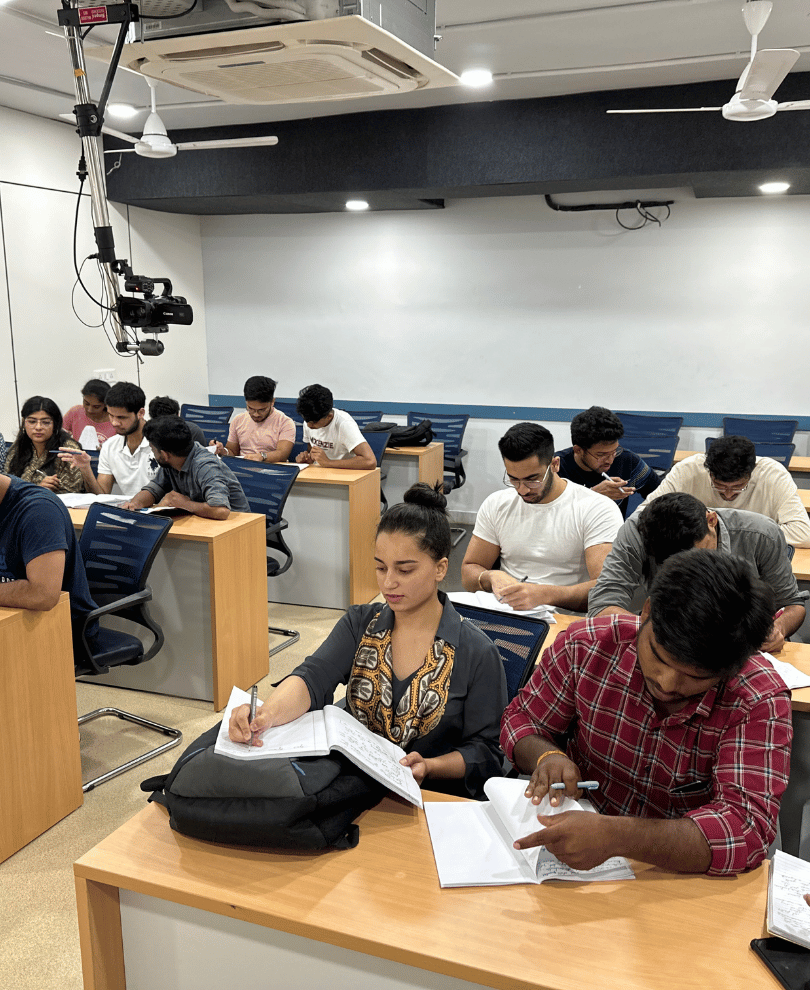
Structured DGCA Ground Classes with a focus on Air Navigation, Safety, and Exam Readiness.