
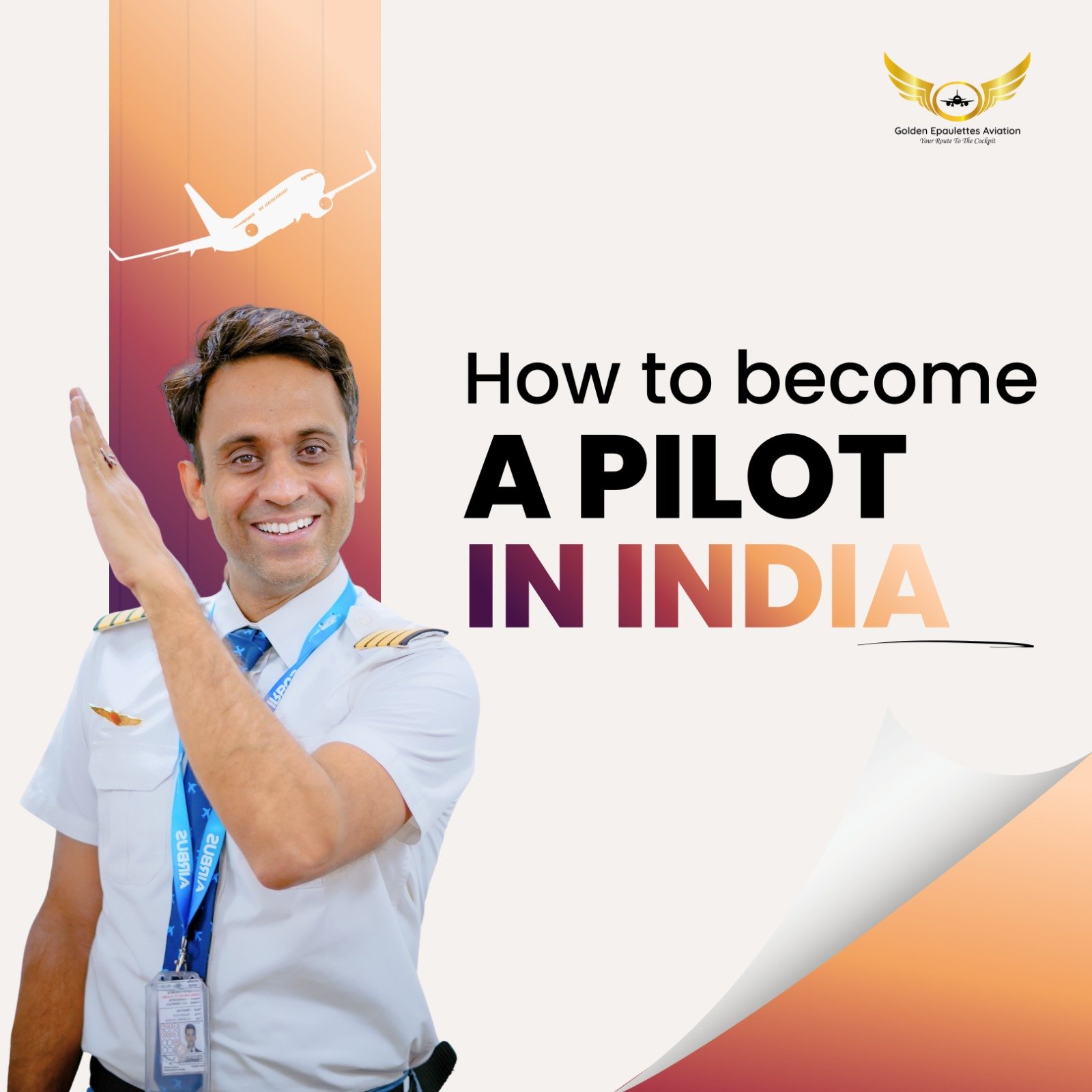
Meet the Instructors of SpiceJet Cadet Pilot Program 2026-27 | Best DGCA Ground Classes
The quality of instructors plays a crucial role in the success of any cadet pilot program. In the SpiceJet Cadet Pilot Program 2026-27, training is delivered by highly experienced aviation professionals, including airline captains, certified flight instructors, and DGCA-approved faculty. While many students focus on CPL test series India 2026 and DGCA mock test India, the guidance of expert instructors is what truly shapes a successful airline pilot.
Who Are the Instructors in SpiceJet Cadet Program?
The program is conducted in collaboration with SpiceStar Academy and partner flying schools, where instructors include:
- Airline Captains (B737 / Q400 experienced)
- DGCA-certified ground instructors
- Flight instructors (CFI / FI rated)
- Simulator trainers
These instructors are responsible for training cadets across ground school, flight training, and type rating phases. :contentReference[oaicite:0]{index=0}
Types of Instructors You Will Learn From
1. Airline Captains (Senior Pilots)
Senior airline captains bring real-world flying experience into training.
- 10–20+ years of airline experience
- Expertise in Boeing 737 / Q400 operations
- Teach SOPs and airline procedures
They help cadets understand real cockpit scenarios and airline expectations.
2. DGCA Ground Instructors
These instructors handle theoretical subjects required for CPL.
- Air Navigation
- Meteorology
- Air Regulations
- Technical subjects
Ground training includes structured classroom sessions (~140 hours) before flying begins. :contentReference[oaicite:1]{index=1}
3. Flight Instructors (CFI / FI)
Flight instructors are responsible for practical flying training.
- Teach aircraft handling
- Supervise solo flights
- Conduct skill checks
They guide cadets through 200+ flying hours required for CPL. :contentReference[oaicite:2]{index=2}
4. Simulator Instructors
Simulator instructors train cadets in advanced flight scenarios.
- Emergency procedures
- Instrument flying
- Multi-crew coordination (MCC)
Type rating training includes simulator-based learning for real airline operations. :contentReference[oaicite:3]{index=3}
5. CRM & Soft Skills Trainers
These instructors focus on non-technical skills required in aviation.
- Crew Resource Management (CRM)
- Communication skills
- Decision-making under pressure
Such training is essential for airline cockpit teamwork.
Instructor Roles Across Training Phases
| Training Phase | Instructor Type |
|---|---|
| Ground School | DGCA Ground Instructors |
| Flight Training | Flight Instructors (CFI/FI) |
| Simulator Training | Simulator Instructors |
| Type Rating | Airline Captains |
| Airline Induction | CRM & Airline Trainers |
What Makes These Instructors Special?
- Real airline experience
- DGCA-approved teaching standards
- Hands-on training approach
- Focus on airline readiness
The program is designed to groom cadets into First Officers for SpiceJet’s fleet. :contentReference[oaicite:4]{index=4}
Instructor Support & Mentorship
Instructors not only teach but also mentor cadets throughout training:
- Performance feedback after every session
- Guidance for DGCA exams
- Interview preparation support
This continuous mentorship improves both training performance and selection success.
Why Instructors Matter in Cadet Programs
The difference between an average and a successful pilot often depends on the quality of instruction.
- Better concept clarity
- Faster learning curve
- Improved safety awareness
Experienced instructors help cadets adapt quickly to real airline environments.
Role of DGCA Ground Classes in Instructor-Led Learning
External preparation further enhances learning from instructors:
- CPL ground classes India
- DGCA mock test India
- Pilot exam mock test India
- Cadet program preparation
Institutes like Golden Epaulettes Aviation complement instructor training by strengthening theoretical knowledge.
Conclusion
The instructors in the SpiceJet Cadet Pilot Program 2026-27 include experienced airline captains, DGCA-certified trainers, flight instructors, and simulator experts. Their real-world experience, structured teaching approach, and continuous mentorship play a crucial role in shaping cadets into professional airline pilots. Choosing the right training environment with strong instructor support is key to success in aviation.