CPL Classes in Vadodara 2026 | DGCA Ground Classes Vadodara
Students looking for CPL Classes in Vadodara and DGCA Ground Classes Vadodara can begin their aviation journey with structured pilot training programs. These programs help aspiring aviators understand aviation theory, navigation systems, aircraft performance and aviation regulations before starting professional flying training. The dream to become a commercial pilot after 12th requires dedicated preparation, aviation theory study and practical flying experience. With the right guidance and ground training, students can prepare for DGCA examinations and build the knowledge required for airline careers.
Page Overview
- Overview of Pilot Training in India
- Importance of DGCA Ground Classes
- Pilot Training Subjects
- Eligibility After 12th
- Step-by-Step Guide to Become a Pilot
- DGCA Exam Pattern
- Pilot Training Cost
- Career Opportunities
- Pilot Salary in India
- Frequently Asked Questions
Overview of Pilot Training in India
Pilot training in India is regulated by the Directorate General of Civil Aviation (DGCA), the aviation authority responsible for licensing pilots and maintaining aviation safety standards. Students who want to become commercial pilots must follow a structured pathway involving ground training, theoretical examinations and practical flight training.
The process begins with aviation theory training where students study subjects such as navigation, meteorology, air regulations and aircraft technical systems. These subjects prepare students for DGCA examinations which are mandatory before flying training can begin. :contentReference[oaicite:2]{index=2}
Ground School
Theoretical aviation subjects are studied before flying training.
Flying Training
Students complete required flight hours under instructor supervision.
CPL License
Commercial Pilot License allows pilots to work professionally.
DGCA Ground Classes Vadodara – Aviation Theory Preparation
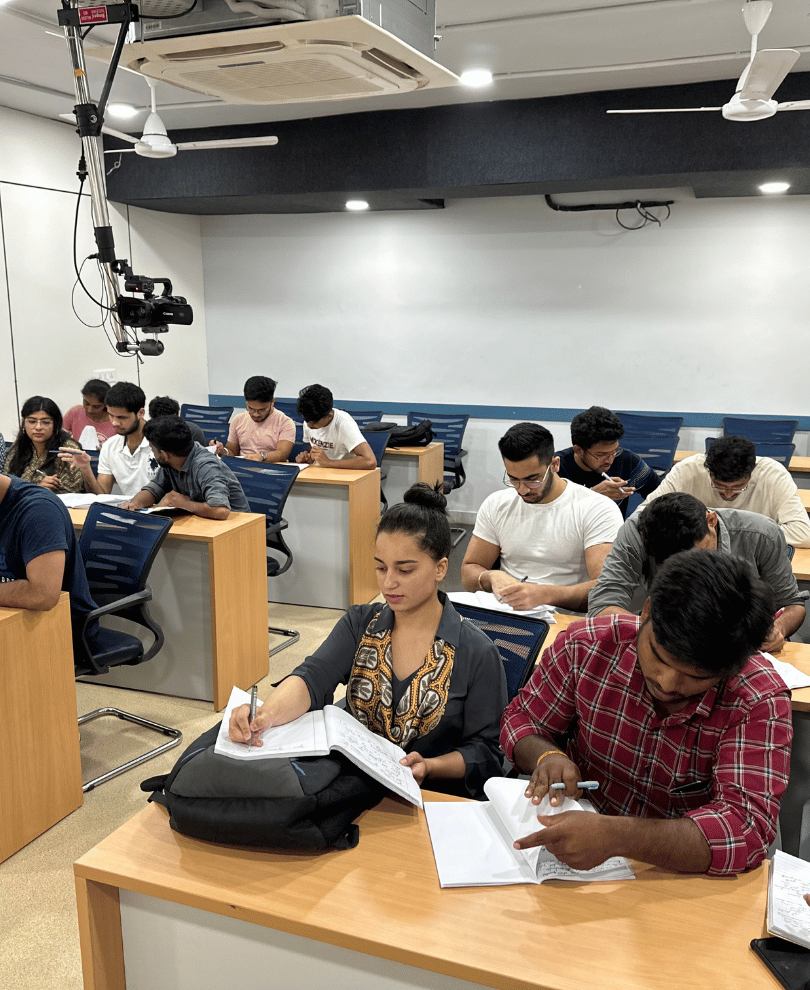
DGCA ground classes provide the theoretical knowledge required to clear aviation licensing examinations. These classes prepare students for subjects such as Air Navigation, Aviation Meteorology, Air Regulations and Technical General. Mastering these subjects helps pilots understand aircraft performance, navigation planning and aviation safety procedures.
| DGCA Subject | Focus Area |
|---|---|
| Air Navigation | Flight planning and navigation calculations |
| Meteorology | Weather patterns affecting aircraft |
| Air Regulations | Aviation laws and operational rules |
| Technical General | Aircraft systems and aerodynamics |
Students can explore detailed aviation syllabus and preparation here: DGCA Exam Syllabus Guide – Golden Epaulettes
Official aviation authority website: DGCA India Official Website
Eligibility to Become a Commercial Pilot After 12th
Students who want to start CPL Classes in Vadodara and DGCA Ground Classes Vadodara must meet the eligibility requirements defined by the Directorate General of Civil Aviation (DGCA). These requirements ensure that student pilots possess the academic qualifications, health standards and technical knowledge required for aviation training.
| Requirement | Details |
|---|---|
| Education | 10+2 with Physics and Mathematics |
| Minimum Age | 18 years |
| Medical Certificate | DGCA Class 1 Medical Fitness |
| English Proficiency | Required for aviation communication |
Students can explore the full eligibility and aviation training roadmap here: Commercial Pilot Requirements – Golden Epaulettes Aviation
Step-by-Step Guide to Become a Commercial Pilot
The journey from school education to becoming an airline pilot involves several structured stages. Students first complete aviation ground training, then clear licensing exams and finally complete flying training before obtaining a Commercial Pilot License.
Step 1
Complete 10+2 with Physics and Mathematics
Step 2
Obtain DGCA Computer Number
Step 3
Join DGCA Ground Classes
Step 4
Clear DGCA Theory Exams
Step 5
Complete 200 Hours Flying Training
DGCA Exam Pattern for CPL
The DGCA theory examinations are conducted as computer-based tests. Each subject includes multiple-choice questions and requires strong conceptual understanding of aviation theory.
| Subject | Exam Type | Passing Marks |
|---|---|---|
| Air Navigation | MCQ Computer Based Test | 70% |
| Meteorology | MCQ Computer Based Test | 70% |
| Air Regulations | MCQ Computer Based Test | 70% |
| Technical General | MCQ Computer Based Test | 70% |
The full syllabus also includes Technical Specific and the Radio Telephony exam which tests aviation communication procedures. :contentReference[oaicite:2]{index=2}
Official aviation authority website: Directorate General of Civil Aviation (DGCA)
Flying Training Phase and Flight Hour Requirements
After completing CPL Classes in Vadodara and DGCA Ground Classes Vadodara, students move to the practical phase of aviation education known as flying training. During this phase, aspiring pilots learn aircraft handling, navigation techniques, take-offs, landings and emergency procedures under instructor supervision. The DGCA requires student pilots to complete approximately 200 hours of flying training before applying for a Commercial Pilot License. These flying hours include solo flights, cross-country navigation flights, instrument flying and night flying practice.
Solo Flying
Students fly aircraft independently after instructor clearance.
Cross Country
Navigation flights between different airports.
Instrument Flying
Learning to fly using cockpit instruments.
Night Flying
Training for low-visibility and night operations.
Detailed CPL preparation resources can be explored here: DGCA Ground Exam Preparation Guide
Aircraft Training and Simulator Practice
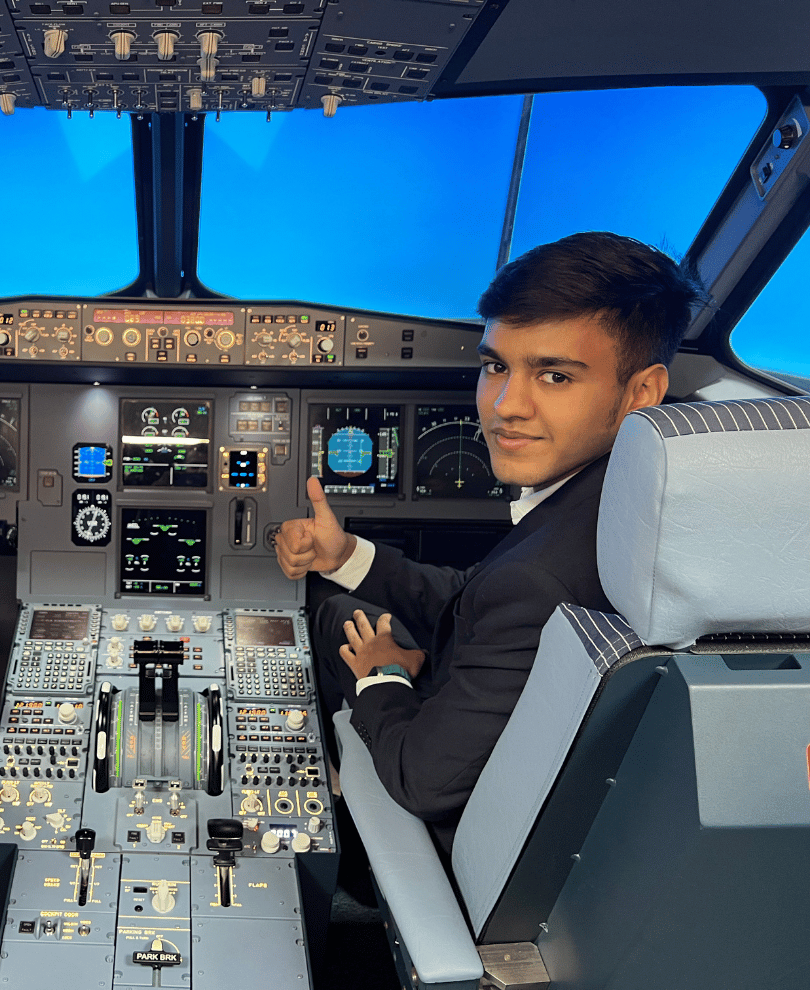
Modern aviation training programs combine real aircraft flying with simulator-based training sessions. Flight simulators help student pilots practice cockpit procedures, navigation planning and emergency scenarios safely before flying actual aircraft.
Single Engine Aircraft
Training usually begins with aircraft such as Cessna or Piper models.
Multi-Engine Aircraft
Advanced training includes multi-engine aircraft operations.
Flight Simulator
Simulators allow pilots to practice complex procedures safely.
Cost of Commercial Pilot Training
Commercial pilot training is a specialized professional course that involves aircraft operations, instructor training, simulator practice and licensing examinations. The total cost varies depending on the flying school, aircraft type and training duration.
| Training Component | Estimated Cost |
|---|---|
| Ground School Training | ₹1.5 – ₹3 Lakhs |
| Flying Training | ₹35 – ₹45 Lakhs |
| Medical & Exam Fees | ₹1 – ₹2 Lakhs |
| Miscellaneous | ₹2 – ₹5 Lakhs |
Career Opportunities After CPL
After obtaining a Commercial Pilot License, pilots can explore multiple aviation career opportunities in airline operations, cargo aviation and charter flying.
- Airline First Officer
- Cargo Airline Pilot
- Charter Aircraft Pilot
- Corporate Aviation Pilot
- Flight Instructor
Students can explore aviation career guidance here: How to Become a Pilot in India
Pilot Salary in India
A career in aviation offers excellent salary growth and global career opportunities. After completing CPL training and gaining experience, pilots can work for domestic airlines, international carriers, charter companies or cargo operators.
| Pilot Position | Experience | Monthly Salary |
|---|---|---|
| Junior First Officer | 0 – 2 Years | ₹1.5 – ₹3 Lakhs |
| First Officer | 2 – 5 Years | ₹3 – ₹5 Lakhs |
| Senior First Officer | 5 – 8 Years | ₹5 – ₹7 Lakhs |
| Captain | 8 – 15 Years | ₹8 – ₹12 Lakhs |
Video Guide: How to Become a Pilot in India
Timeline From Student to Airline Pilot
Step 1
Complete 10+2 education
Step 2
Join CPL Ground Classes
Step 3
Clear DGCA Theory Exams
Step 4
Complete 200 Flying Hours
Frequently Asked Questions – CPL Classes in Vadodara
Can I become a commercial pilot after 12th?
Yes. Students who complete 10+2 education can start their journey toward becoming a commercial pilot by joining aviation ground training, clearing DGCA theory exams and completing flying training.
How many flying hours are required for CPL in India?
Students must complete approximately 200 hours of flying training including solo, cross-country and night flying before receiving a Commercial Pilot License.
What subjects are included in DGCA CPL exams?
DGCA CPL exams include Air Navigation, Meteorology, Air Regulations, Technical General, Technical Specific and Radio Telephony.
How long does it take to become a commercial pilot?
Most students complete CPL training in about 18–24 months depending on exam preparation and flying training availability.
Reviews & Discussion
Write a review
No reviews yet. Be the first!