CPL Classes in Surat 2026 | DGCA Ground Classes Surat | Become a Commercial Pilot after 12th
Surat is becoming an emerging destination for aviation aspirants seeking structured preparation for commercial pilot training. Students planning to begin aviation careers often search for reliable CPL classes and DGCA ground classes that help them understand aviation theory before starting flying training. Professional ground training programs introduce aspiring pilots to navigation, meteorology, aviation regulations, and aircraft technical systems. These subjects form the theoretical foundation required before obtaining a Commercial Pilot License. This guide explains the complete pathway to becoming a commercial pilot after school education, including training structure, aviation subjects, eligibility requirements, medical certification, and career opportunities.
Page Overview
- Overview of Pilot Training in India
- Importance of Ground School Before Flying Training
- Aviation Theory Training Structure
- Subjects Covered in Pilot Ground School
- Course Structure for Commercial Pilot Training
- Eligibility Requirements After School Education
- Medical Certification Requirements
- Examination Pattern and Preparation
- Flying Training and Flight Hour Requirements
- Cost of Pilot Training
- Career Opportunities and Salary Growth
- Frequently Asked Questions
Overview of Pilot Training in India
Pilot training in India is regulated by the Directorate General of Civil Aviation (DGCA), the national aviation authority responsible for licensing, examinations, and safety standards in civil aviation. Students aspiring to become airline pilots must follow a structured pathway that includes theoretical training, flight instruction, medical certification, and licensing examinations. The first stage of aviation education usually begins with ground school, where students learn theoretical subjects necessary for flight operations. These subjects include navigation, meteorology, aviation regulations, and aircraft technical knowledge. Ground training ensures that aspiring pilots understand the scientific and operational principles required for safe aviation operations. After completing theoretical preparation, students proceed to flying training at a DGCA-approved flying school. During this stage they accumulate practical flight experience while learning aircraft handling, navigation procedures, and emergency operations.
Ground Training
Theoretical study covering aviation subjects required for licensing exams.
Flying Training
Students complete flight hours under instructor supervision.
License Issue
After completing exams and flight requirements, CPL license is issued.
According to DGCA regulations, aspiring pilots must complete approximately 200 hours of flight training, which includes solo flights, cross-country navigation, instrument flying, and night flying experience before applying for a commercial pilot license. :contentReference[oaicite:2]{index=2}
Students can explore detailed aviation career guidance here: Pilot Career Guide – Golden Epaulettes Aviation
Importance of Ground School Before Flying Training
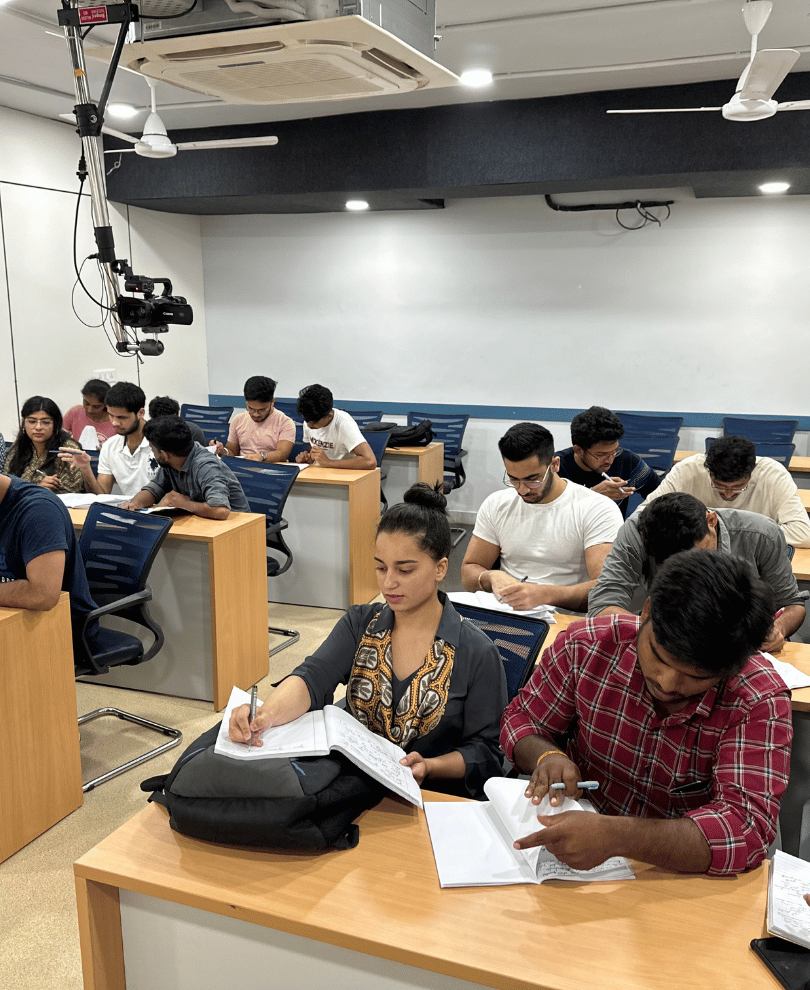
Before a student pilot begins practical flying training, aviation authorities require strong theoretical preparation. Ground school provides the academic foundation required to understand flight principles, aircraft systems, navigation procedures, and aviation safety standards. Without proper theoretical preparation, it becomes extremely difficult for pilots to make safe decisions during flight operations. Professional aviation training institutes begin their programs with structured ground school sessions where students study aviation subjects, aviation rules, and aircraft performance. These classes prepare students for official licensing examinations conducted by the aviation authority and ensure they understand how aircraft behave in different flight conditions.
Flight Theory
Students learn aerodynamics, aircraft systems, and navigation techniques required for professional flight operations.
Safety Procedures
Ground school teaches emergency procedures, flight planning, and aviation regulations.
Exam Preparation
Ground classes prepare students for DGCA theory examinations required for CPL licensing.
Students interested in structured aviation preparation can explore: DGCA CPL Ground Classes
Aviation Theory Training Structure
The theoretical component of pilot training focuses on helping students understand aviation science and flight operations. Aviation authorities have designed a structured syllabus that ensures aspiring pilots learn essential concepts required for commercial aviation.
| Training Phase | Description | Duration |
|---|---|---|
| Ground Classes | Theoretical preparation in aviation subjects | 4 – 6 months |
| Theory Exams | Written exams conducted by aviation authority | Multiple sessions yearly |
| Flying Training | Practical aircraft training at flying school | 12 – 18 months |
This structure ensures students first build strong theoretical knowledge before applying those concepts in real flight scenarios.
Subjects Covered in Pilot Ground School
The pilot training syllabus includes several core subjects that prepare students for aviation licensing examinations and professional flight operations.
Air Navigation
Students learn how to calculate routes, analyze wind direction, interpret navigation charts, and plan cross-country flights.
Aviation Meteorology
Pilots study weather patterns, cloud formations, pressure systems, and aviation weather reports.
Air Regulations
This subject explains aviation laws, international flight rules, and aircraft operational procedures.
Technical General
Students study aircraft systems, engines, aerodynamics, and flight instruments.
According to aviation training guidelines, the full CPL syllabus also includes Technical Specific subjects and Radio Telephony certification required for professional communication with air traffic control. :contentReference[oaicite:2]{index=2}
Eligibility Requirements After School Education
Students interested in professional aviation careers must meet certain eligibility requirements before applying for pilot training programs.
| Education | 10+2 with Physics and Mathematics |
| Minimum Age | 18 years |
| Medical Fitness | Class 1 aviation medical certificate |
| Language | English proficiency for aviation communication |
Students can read detailed eligibility guidance here: How to Become a Pilot in India
Medical Certification Requirements
Before starting professional aviation training, aspiring pilots must meet strict medical fitness standards. Aviation authorities require pilots to demonstrate strong physical and mental health to ensure they can safely operate aircraft under demanding conditions. Commercial pilot licensing requires a Class 1 aviation medical certificate issued by an aviation medical examiner approved by the civil aviation authority. This certification evaluates eyesight, hearing, cardiovascular health, neurological fitness, and overall physical capability required for safe flight operations.
| Medical Test | Purpose |
|---|---|
| Vision Test | Ensures pilots can read instruments and maintain visual awareness during flight |
| Hearing Test | Ensures clear communication with air traffic control |
| Cardiovascular Check | Assesses heart health and endurance for aviation duties |
| Neurological Evaluation | Ensures cognitive stability and reaction capability |
Medical certification ensures pilots are physically capable of managing flight responsibilities, emergency situations, and long-duration operations in commercial aviation.
Registration Process for Aviation Examinations
Before appearing for aviation theory exams, aspiring pilots must register through the official examination portal of the aviation authority. This process allows candidates to apply for exam sessions, access study guidelines, and download admit cards for the examinations.
Registration Steps
- Create a candidate account on the official aviation exam portal.
- Upload identification documents and educational certificates.
- Select subjects for the examination session.
- Pay examination fees online.
- Download the admit card before the examination date.
Official aviation regulations and examination notifications can be accessed here: Directorate General of Civil Aviation Official Website
Step-by-Step Journey From School to Airline Pilot
The journey to becoming a professional airline pilot involves several structured stages that combine academic learning, aviation examinations, and practical flying experience.
Step 1
Complete school education with science subjects
Step 2
Begin aviation ground school training
Step 3
Clear aviation theory examinations
Step 4
Complete flying training and flight hours
Step 5
Obtain commercial pilot license
Examination Structure and Assessment Pattern
Aviation theory examinations are typically conducted through computer-based tests designed to evaluate a candidate’s understanding of aviation subjects required for safe flight operations.
| Subject | Questions | Duration | Passing Score |
|---|---|---|---|
| Air Navigation | ~100 | 2 Hours | 70% |
| Meteorology | ~100 | 2 Hours | 70% |
| Air Regulations | ~100 | 2 Hours | 70% |
| Technical General | ~100 | 2 Hours | 70% |
Preparation Strategy for Aviation Theory Exams
Preparing for aviation theory examinations requires structured study plans and strong conceptual understanding. Students typically focus on mastering one subject at a time while practicing numerical calculations and solving mock tests.
Concept Learning
Focus on understanding navigation calculations, aircraft systems, and weather interpretation.
Mock Tests
Practice multiple choice questions to build exam confidence.
Revision
Regular revision helps retain aviation theory concepts for exams.
Students can explore detailed aviation preparation resources here: DGCA CPL Ground Classes Guide
Duration of Pilot Training Programs
The total duration of commercial pilot training usually ranges between 18 and 24 months depending on the pace of ground school preparation, examination schedules, and flying hour availability at the flight school.
| Training Phase | Typical Duration |
|---|---|
| Ground School Training | 4 – 6 Months |
| DGCA Theory Exams | 3 – 6 Months |
| Flying Training | 12 – 18 Months |
Flying Training Phase and Flight Hour Requirements
Flying training is the practical phase of pilot education where students learn aircraft handling, take-offs, landings, navigation flights, and emergency procedures.
- Solo Flying Practice
- Cross Country Navigation Flights
- Night Flying Training
- Instrument Flying
- Multi-Engine Aircraft Training
To qualify for a commercial pilot license, aspiring pilots must log a minimum of 200 flying hours in approved aircraft including solo and cross-country flights.
Aircraft Training and Simulator Practice
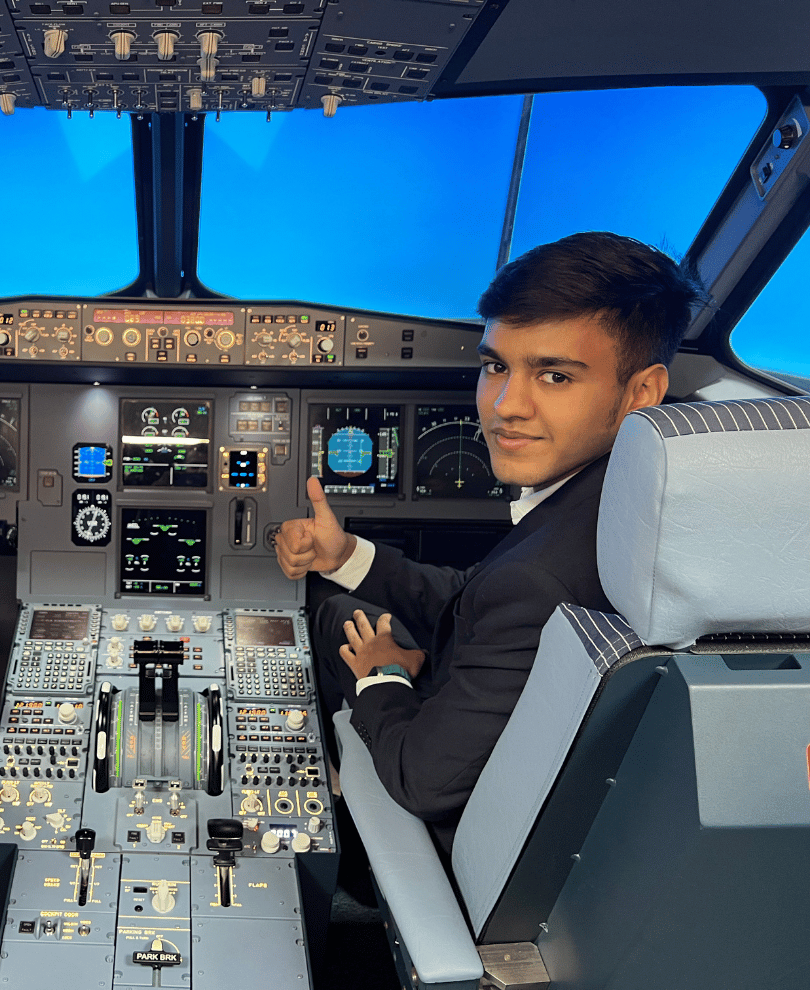
Modern pilot training programs combine real aircraft flying with advanced flight simulators. Simulator sessions allow students to practice navigation procedures, emergency situations, instrument flying, and cockpit coordination without risk.
Basic Aircraft Training
Students start training in single engine aircraft.
Instrument Training
Pilots learn to fly using cockpit instruments in low visibility.
Simulator Training
Flight simulators help practice emergency procedures safely.
Cost of Pilot Training Programs
Commercial pilot training involves significant investment due to aircraft operating costs, simulator training, instructor fees, and licensing requirements.
| Ground Training | ₹1.5 – ₹3 Lakhs |
| Flying Training | ₹35 – ₹45 Lakhs |
| Medical & Exam Fees | ₹1 – ₹2 Lakhs |
| Miscellaneous | ₹2 – ₹5 Lakhs |
Career Opportunities in Aviation
- Airline First Officer
- Cargo Pilot
- Charter Aircraft Pilot
- Corporate Aviation Pilot
- Flight Instructor
Salary Growth in Airline Careers
| Career Stage | Monthly Salary |
|---|---|
| First Officer | ₹1.5 – ₹3.5 Lakhs |
| Senior First Officer | ₹4 – ₹6 Lakhs |
| Captain | ₹8 – ₹12 Lakhs |
Video Guide: Understanding the Pilot Career Path
Training Timeline From Student to Airline Pilot
Step 1
Complete school education
Step 2
Ground school training
Step 3
Clear aviation exams
Step 4
Complete flying training
Frequently Asked Questions
How many flying hours are required for CPL?
A minimum of 200 flying hours is required to obtain a Commercial Pilot License.
What subjects are included in aviation ground school?
Ground school includes Air Navigation, Meteorology, Air Regulations, Technical General, Technical Specific and Radio Telephony.
What is the minimum age to become a commercial pilot?
The minimum age required to obtain a commercial pilot license is 18 years.
Reviews & Discussion
Write a review
No reviews yet. Be the first!