CPL Classes in Nashik 2026 | DGCA Ground Classes Nashik | Become a Commercial Pilot after 12th
Students searching for CPL Classes in Nashik and DGCA Ground Classes Nashik can begin their aviation journey with structured pilot training programs. These programs introduce aviation subjects such as navigation, aviation meteorology, air regulations and aircraft technical systems. The dream to become a commercial pilot after 12th requires strong conceptual understanding of aviation theory followed by practical flying training at a DGCA approved flying school.
Page Overview
- Overview of Pilot Training in India
- Importance of DGCA Ground Classes
- Pilot Training Subjects
- Eligibility After 12th
- Step-by-Step Guide to Become a Pilot
- DGCA Exam Pattern
- Pilot Training Cost
- Pilot Salary in India
- Career Opportunities
- Frequently Asked Questions
Overview of Pilot Training in India
Pilot training in India is regulated by the Directorate General of Civil Aviation (DGCA). Students who want to become professional airline pilots must complete theoretical ground school preparation followed by flying training and licensing examinations. DGCA ground training includes subjects such as Air Navigation, Aviation Meteorology, Air Regulations and Technical General which prepare students for aviation theory examinations before flying training begins.
Ground School
Aviation theory preparation covering navigation, meteorology and aviation regulations.
Flying Training
Students complete flight hours at DGCA approved flying schools.
Commercial Pilot License
After passing exams and flying training, pilots obtain CPL.
DGCA Ground Classes Nashik – Aviation Theory Preparation
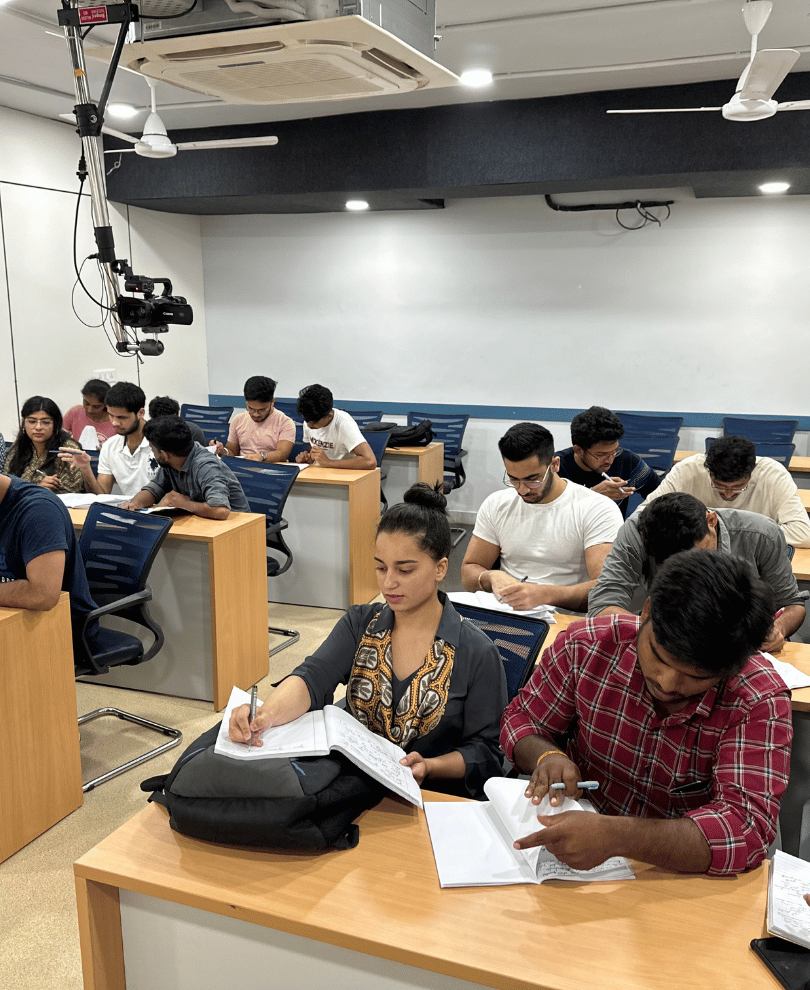
DGCA ground classes are the academic foundation of pilot training. These classes prepare students for aviation licensing exams and help them understand aircraft systems, navigation calculations and weather analysis required for safe aviation operations.
| Subject | Focus Area |
|---|---|
| Air Navigation | Flight planning, wind triangle, route calculations |
| Meteorology | Weather systems, clouds, turbulence and forecasting |
| Air Regulations | International aviation law and DGCA rules |
| Technical General | Aircraft systems, aerodynamics and flight instruments |
Explore detailed syllabus guidance: DGCA Exam Syllabus – Golden Epaulettes
Eligibility to Become a Pilot After 12th
Students who want to start CPL classes must meet the eligibility requirements defined by DGCA before joining pilot training programs.
| Education | 10+2 with Physics & Mathematics |
| Minimum Age | 18 Years for CPL License |
| Medical Fitness | DGCA Class 1 Medical Certificate |
| Flying Hours | Minimum 200 hours required for CPL |
Pilot Salary Growth in India
| Career Stage | Experience | Average Monthly Salary |
|---|---|---|
| Junior First Officer | 0–2 Years | ₹1.5 – ₹3 Lakhs |
| First Officer | 2–5 Years | ₹3 – ₹5 Lakhs |
| Captain | 8–15 Years | ₹8 – ₹12 Lakhs |
Step-by-Step Guide to Become a Commercial Pilot
Students who join CPL Classes in Nashik begin their aviation journey with structured preparation that includes aviation ground school training, theory examinations and flying training at a DGCA approved flying school.
Step 1
Complete 10+2 with Physics and Mathematics
Step 2
Obtain DGCA Computer Number
Step 3
Join DGCA Ground Classes
Step 4
Clear DGCA Theory Exams
Step 5
Complete 200 Flying Hours
DGCA Exam Pattern for CPL
The DGCA theory examinations are computer-based tests designed to evaluate the aviation knowledge of student pilots. These exams include multiple-choice questions and each subject requires a minimum passing score of about 70 percent.
| Subject | Exam Format | Passing Marks |
|---|---|---|
| Air Navigation | Computer Based Test | 70% |
| Meteorology | Computer Based Test | 70% |
| Air Regulations | Computer Based Test | 70% |
| Technical General | Computer Based Test | 70% |
Flying Training and Flight Hour Requirements
Flying training is the practical stage of pilot education where students learn aircraft handling, navigation flights and emergency procedures under instructor supervision. To qualify for a Commercial Pilot License, pilots must complete a minimum of about 200 flying hours which include solo flying, cross-country flights, night flying and instrument training.
Solo Flying
Independent flight practice
Cross-Country
Navigation between airports
Instrument Training
Flying using cockpit instruments
Night Flying
Low-visibility flight operations
Cost of Commercial Pilot Training
Pilot training involves aircraft operations, simulator training, ground school preparation and licensing examinations. The total cost may vary depending on the flying school, aircraft type and training location.
| Ground Training | ₹1.5 – ₹3 Lakhs |
| Flying Training | ₹35 – ₹45 Lakhs |
| Medical & Exams | ₹1 – ₹2 Lakhs |
| Miscellaneous | ₹2 – ₹5 Lakhs |
Pilot Salary Growth in India
Aviation is one of the most rewarding career paths in India. After completing CPL Classes in Nashik and gaining flying experience, pilots can work with airlines, charter companies, cargo operators or corporate aviation departments.
| Career Stage | Experience | Average Monthly Salary |
|---|---|---|
| Junior First Officer | 0 – 2 Years | ₹1.5 – ₹3 Lakhs |
| First Officer | 2 – 5 Years | ₹3 – ₹5 Lakhs |
| Senior First Officer | 5 – 8 Years | ₹5 – ₹7 Lakhs |
| Captain | 8 – 15 Years | ₹8 – ₹12 Lakhs |
Video Guide: How to Become a Pilot in India
Watch the step-by-step guide explaining pilot training, DGCA exams and flying training requirements.
Timeline: From 12th Grade to Airline Pilot
Step 1
Complete 10+2 Education
Step 2
Join DGCA Ground Classes
Step 3
Clear DGCA Theory Exams
Step 4
Complete 200 Flying Hours
Frequently Asked Questions – CPL Classes in Nashik
Can I become a commercial pilot after 12th?
Yes. Students can start pilot training after completing 12th grade. The process includes DGCA ground classes, theory exams and flying training before obtaining a Commercial Pilot License.
How many flying hours are required for CPL in India?
Student pilots must complete approximately 200 hours of flying training including solo, cross-country and night flying before obtaining a Commercial Pilot License.
What subjects are included in DGCA CPL exams?
DGCA CPL exams include Air Navigation, Meteorology, Air Regulations, Technical General, Technical Specific and Radio Telephony (RTR).
How long does it take to become a commercial pilot?
Most students complete CPL training within 18 to 24 months depending on exam preparation and flying training availability.
Timeline to Become a Commercial Pilot
Step 1
Complete 10+2 with Physics and Mathematics
Step 2
Join CPL Ground Classes
Step 3
Clear DGCA Exams
Step 4
Complete 200 Flying Hours
Reviews & Discussion
Write a review
No reviews yet. Be the first!