CPL Classes in Goa 2026 | DGCA Ground Classes Goa | Become a Commercial Pilot after 12th
Students searching for CPL Classes in Goa and DGCA Ground Classes Goa can begin their aviation career through structured pilot training programs. These programs prepare aspiring pilots for aviation theory subjects, licensing exams and professional flying training required to obtain a Commercial Pilot License.
Page Overview
- Overview of Pilot Training in India
- Importance of DGCA Ground Classes
- CPL Syllabus & Aviation Subjects
- Eligibility After 12th
- Step-by-Step Pilot Roadmap
- DGCA Exam Pattern
- Pilot Training Cost
- Pilot Salary Growth
- Timeline to Become a Pilot
- Frequently Asked Questions
Overview of Pilot Training in India
Pilot training in India is regulated by the Directorate General of Civil Aviation (DGCA). Students who want to become professional airline pilots must complete theoretical ground school preparation followed by flying training and licensing examinations.
Ground Training
Aviation theory preparation before flying training.
Flying Training
Students complete flight hours at DGCA approved flying schools.
Commercial Pilot License
After exams and flying training pilots receive CPL.
Video Guide: Understanding the Pilot Career Path
How to Become a Pilot – Complete Step-by-Step Guide
Aviation Student
Very helpful explanation of DGCA exams and pilot training process.
DGCA Preparation & Pilot Training Explained
Future Captain
Clear explanation of flying hours and CPL training timeline.
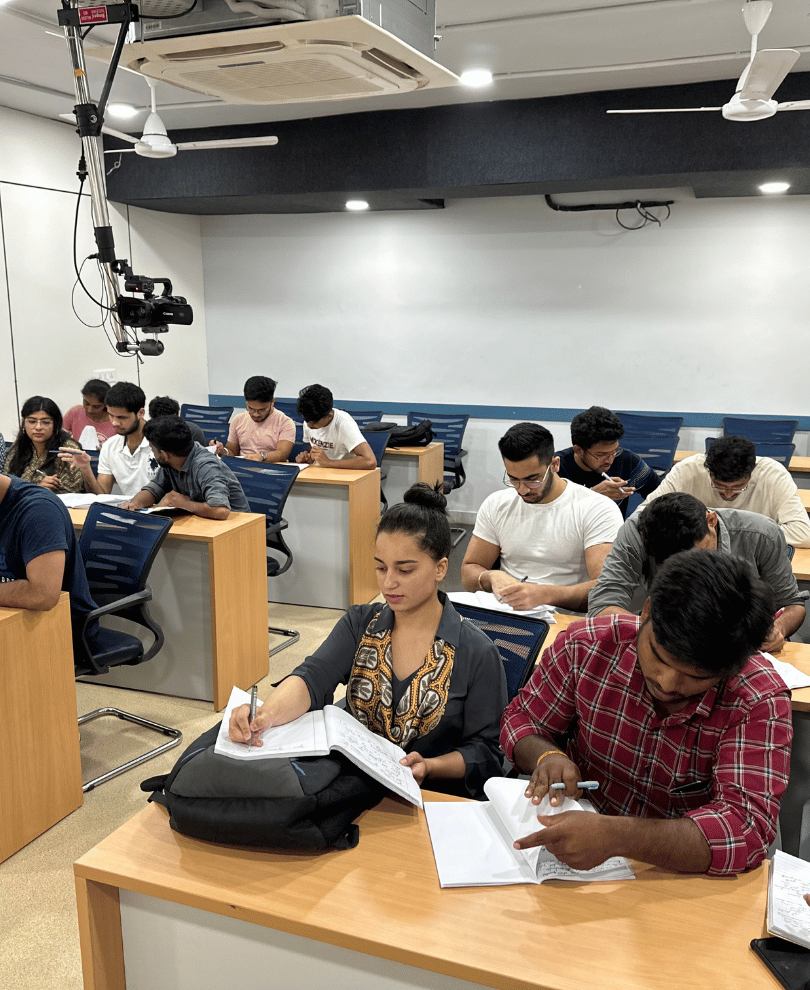
DGCA Ground Classes Goa – Aviation Theory Preparation
DGCA ground classes provide the theoretical foundation required for aviation licensing exams. Students study navigation calculations, weather interpretation, aircraft systems and aviation regulations before beginning practical flying training.
| DGCA Subject | Focus Area |
|---|---|
| Air Navigation | Flight planning and route calculations |
| Meteorology | Weather systems affecting aircraft operations |
| Air Regulations | International aviation laws and flight rules |
| Technical General | Aircraft systems, aerodynamics and instruments |
Detailed CPL syllabus: DGCA Exam Syllabus – Golden Epaulettes
Eligibility to Become a Pilot After 12th
| Education | 10+2 with Physics & Mathematics |
| Minimum Age | 18 Years for CPL License |
| Medical Certificate | DGCA Class 1 Medical |
| Flying Hours | Minimum 200 hours required |
Pilot Salary Growth in India
| Career Stage | Experience | Average Monthly Salary |
|---|---|---|
| First Officer | 0–3 Years | ₹1.5 – ₹3 Lakhs |
| Senior First Officer | 3–7 Years | ₹4 – ₹6 Lakhs |
| Captain | 8–15 Years | ₹8 – ₹12 Lakhs |
Frequently Asked Questions – CPL Classes in Goa
Can I become a commercial pilot after 12th?
Yes, students can start aviation ground training after completing 10+2 and then proceed with DGCA exams and flying training.
How many flying hours are required for CPL?
Students must complete approximately 200 hours of flying training before obtaining a Commercial Pilot License.
What subjects are included in DGCA CPL exams?
Air Navigation, Meteorology, Air Regulations, Technical General, Technical Specific and RTR-A.
Commercial Pilot License Course Structure
The Commercial Pilot License training program follows a structured aviation education pathway designed by the Directorate General of Civil Aviation. Students begin with aviation theory preparation followed by DGCA licensing exams and practical flight training.
Phase 1
DGCA Ground Classes
Phase 2
DGCA Theory Exams
Phase 3
RTR (A) Certification
Phase 4
Flying Training
Phase 5
Commercial Pilot License
Why Students Choose Our Pilot Training Institute
Students preparing for aviation careers prefer structured ground training programs that combine aviation theory classes, mock tests, mentorship and career guidance.
DGCA Aligned Syllabus
Experienced Instructors
Regular Mock Tests
Career Mentorship
Subjects Covered in Pilot Ground School
Ground school training forms the academic foundation of pilot education. Students learn aviation theory before beginning flight training. These subjects build knowledge required for navigation, aircraft systems, weather interpretation and aviation law.
Air Navigation
Flight planning, charts and route calculations.
Meteorology
Weather systems affecting flight safety.
Air Regulations
International aviation rules and regulations.
Detailed Breakdown of Aviation Theory Subjects
| Subject | Key Topics |
|---|---|
| Air Navigation | Flight planning, wind triangle, fuel calculations |
| Meteorology | Cloud formation, turbulence, weather forecasting |
| Technical General | Aircraft engines, aerodynamics and systems |
| Air Regulations | ICAO rules, aviation law and airspace structure |
| RTR (A) | Radio communication with Air Traffic Control |
Medical Certification Requirements
Aspiring commercial pilots must pass DGCA medical examinations to confirm physical and mental fitness for aviation operations.
| Class II Medical | Initial medical required to start pilot training |
| Class I Medical | Mandatory before applying for CPL license |
Preparation Strategy for Aviation Theory Exams
- Follow DGCA syllabus and recommended aviation books
- Practice numerical problems for navigation
- Use mock exams and question banks
- Study aviation weather charts and reports
- Revise aircraft systems and technical concepts
Aircraft Training and Simulator Practice
Single Engine Aircraft
Basic flying training for student pilots.
Multi-Engine Aircraft
Advanced aircraft operations training.
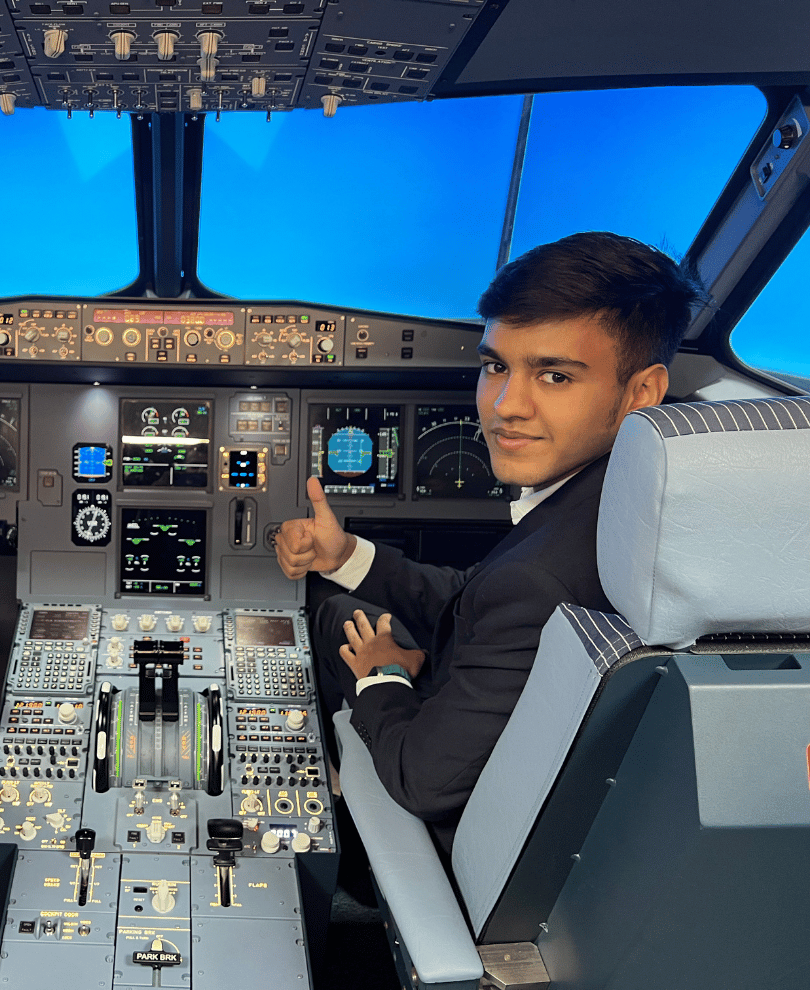
Flight Simulators
Practice emergency scenarios safely.
Advantages of Professional Ground Training
- Structured DGCA syllabus coverage
- Expert aviation instructors
- Mock exams and performance tracking
- Guidance for flying school selection
- Career mentorship and airline preparation
Student Support and Mentorship Programs
Professional aviation academies provide mentorship programs, career counselling and airline preparation sessions to help students transition from pilot training to airline careers.
Reviews & Discussion
Write a review
No reviews yet. Be the first!