CPL Classes in Asansol 2026 | DGCA Ground Classes Asansol
Enroll in CPL classes in Asansol and start your journey to become a commercial pilot after 12th. Structured DGCA ground classes Asansol cover Air Navigation, Aviation Meteorology, Air Regulation and Technical General aligned with DGCA India regulations .
Why Choose CPL Classes in Asansol?
Asansol is becoming an emerging aviation education destination in Eastern India. Students looking for CPL classes in Asansol and DGCA ground classes Asansol benefit from a focused academic environment and lower living costs compared to large metropolitan cities.
Aspiring pilots from nearby cities such as Durgapur, Bardhaman, Kolkata, and Jharkhand can easily access structured DGCA exam preparation programs and aviation coaching without relocating far from home.
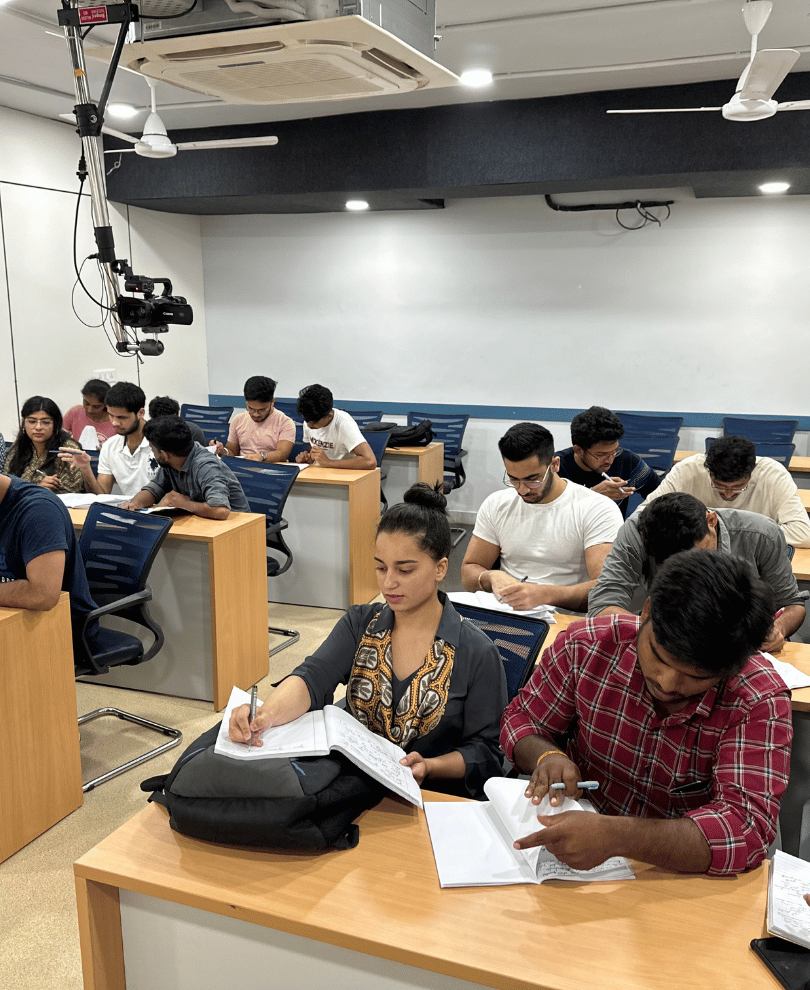
Structured training programs like DGCA CPL Ground Classes help students prepare for DGCA theory exams with experienced instructors and systematic mock tests.
DGCA Ground Subjects Covered in CPL Classes
DGCA theory training focuses on the four major subjects required for Commercial Pilot License examinations. These subjects build the technical foundation required for airline operations and professional aviation safety.
Air Navigation
Air Navigation includes flight planning, fuel calculations, wind triangle navigation, time-distance problems, and radio navigation aids. It is one of the most technical subjects in DGCA exams.
Aviation Meteorology
Meteorology training covers atmospheric pressure systems, cloud formation, weather interpretation, jet streams, and decoding aviation weather reports such as METAR and TAF.
Air Regulations
Air Regulations focuses on aviation law, ICAO rules, DGCA Civil Aviation Requirements (CAR), and operational compliance standards required for airline safety.
Technical General
Technical General covers aircraft systems, aerodynamics, engines, aircraft instruments, and performance calculations required for safe flight operations.
Full syllabus breakdown available here: DGCA CPL Ground Classes Syllabus
Become a Pilot after 12th – CPL Eligibility Requirements
To start commercial pilot training in India, students must meet eligibility requirements defined by the Directorate General of Civil Aviation (DGCA).
| Education | 10+2 with Physics & Mathematics from a recognized board |
| Minimum Age | 18 Years (for CPL License issuance) |
| Medical Requirement | DGCA Class 1 Medical Certificate |
| DGCA Computer Number | Apply through DGCA Pariksha Portal |
Students can read the full application process here: DGCA Computer Number Guide .
Commercial Pilot Training Process
- Complete DGCA medical certification.
- Apply for DGCA computer number.
- Clear DGCA ground exams.
- Complete 200 flying hours training.
- Receive Commercial Pilot License.
How to Become a Pilot – Video Guide
How to Become a Pilot – Complete Step-by-Step
Aviation Aspirant
The most structured explanation of CPL eligibility and DGCA process I’ve watched.
DGCA Preparation & Pilot Training Explained
Future Captain
Helped me understand DGCA Class 1 medical and flying hours clearly.
Pilot Career Opportunities
- Airline First Officer
- Charter Pilot
- Cargo Pilot
- Corporate Aviation
- Flight Instructor
After completing commercial pilot training, First Officers in India typically earn between ₹1.5 – ₹3.5 Lakhs per month.
Career roadmap: How to Become a Pilot
DGCA Exam Pattern 2026 – Marking Scheme & Format
Students preparing for DGCA ground classes Asansol must understand the official DGCA exam pattern 2026. DGCA theory exams are conducted through the DGCA Pariksha Portal and follow a structured MCQ format.
| Exam Element | Details |
|---|---|
| Question Type | Multiple Choice Questions (MCQ) |
| Total Questions | 100–120 Questions (subject dependent) |
| Exam Duration | 2–3 Hours |
| Passing Marks | 70% Minimum |
| Negative Marking | Generally Not Applied |
Detailed preparation guidance is available in our DGCA CPL Ground Classes training program.
DGCA Exam Pattern 2026 – Marking Scheme & Format
Students preparing for DGCA ground classes Asansol must understand the official DGCA exam pattern 2026. DGCA theory exams are conducted through the DGCA Pariksha Portal and follow a structured MCQ format.
| Exam Element | Details |
|---|---|
| Question Type | Multiple Choice Questions (MCQ) |
| Total Questions | 100–120 Questions (subject dependent) |
| Exam Duration | 2–3 Hours |
| Passing Marks | 70% Minimum |
| Negative Marking | Generally Not Applied |
Detailed preparation guidance is available in our DGCA CPL Ground Classes training program.
Frequently Asked Questions – CPL Classes in Asansol
Can I become a pilot after 12th in Asansol?
Yes. Students who complete 10+2 with Physics and Mathematics can enroll in CPL training programs and prepare for DGCA exams.
What is the cost of CPL training in India?
The total cost of commercial pilot training in India typically ranges between ₹45–₹55 Lakhs depending on the flying school.
How many flying hours are required for CPL?
Students must complete a minimum of 200 flying hours at a DGCA-approved flying training organisation.
Is DGCA exam difficult?
DGCA exams are concept-based and require strong preparation in Navigation, Meteorology, Technical General and Air Regulations.
What subjects are required for CPL training?
The main DGCA ground subjects include Air Navigation, Aviation Meteorology, Air Regulations and Technical General.
Where can I apply for DGCA exams?
DGCA exams are conducted through the official DGCA Pariksha portal at pariksha.dgca.gov.in.
What is DGCA Computer Number?
The DGCA Computer Number is a unique identification number required to appear for DGCA pilot examinations.
What is the starting salary of a pilot in India?
Entry-level airline First Officers in India typically earn between ₹1.5 – ₹3.5 Lakhs per month.
Which is the best institute for CPL ground classes?
A structured CPL academy with experienced instructors, mock tests and performance tracking provides the best preparation for DGCA exams.
How long does it take to become a commercial pilot?
Most students complete commercial pilot training within 18–24 months depending on exam preparation and flying availability.
Reviews & Discussion
Write a review
No reviews yet. Be the first!